Understanding Sunroom Options and Features
If you’re considering adding a sunroom to your home, you’re not alone. Sunrooms are increasingly popular as they allow homeowners to enjoy their gardens and outdoor spaces while being sheltered from the elements. Whether you envision a cozy reading nook or an expansive entertaining space, there are various options to explore. Before diving into purchasing a sunroom for sale, it’s essential to understand the types of sunrooms, their features, and the benefits of owning one.
Types of Sunrooms Available
Sunrooms come in numerous styles and designs to cater to different tastes and requirements. The primary types include:
- Three-Season Sunroom: A popular choice for temperate climates, three-season sunrooms are typically less insulated than four-season rooms and are designed for use during spring, summer, and fall. They often feature screens instead of full glass windows, making them ideal for enjoying fresh air.
- Four-Season Sunroom: Built with insulation and energy-efficient glass, four-season sunrooms can be used year-round. They are ideal for areas with extreme temperatures, allowing for climate control options such as heating and cooling systems.
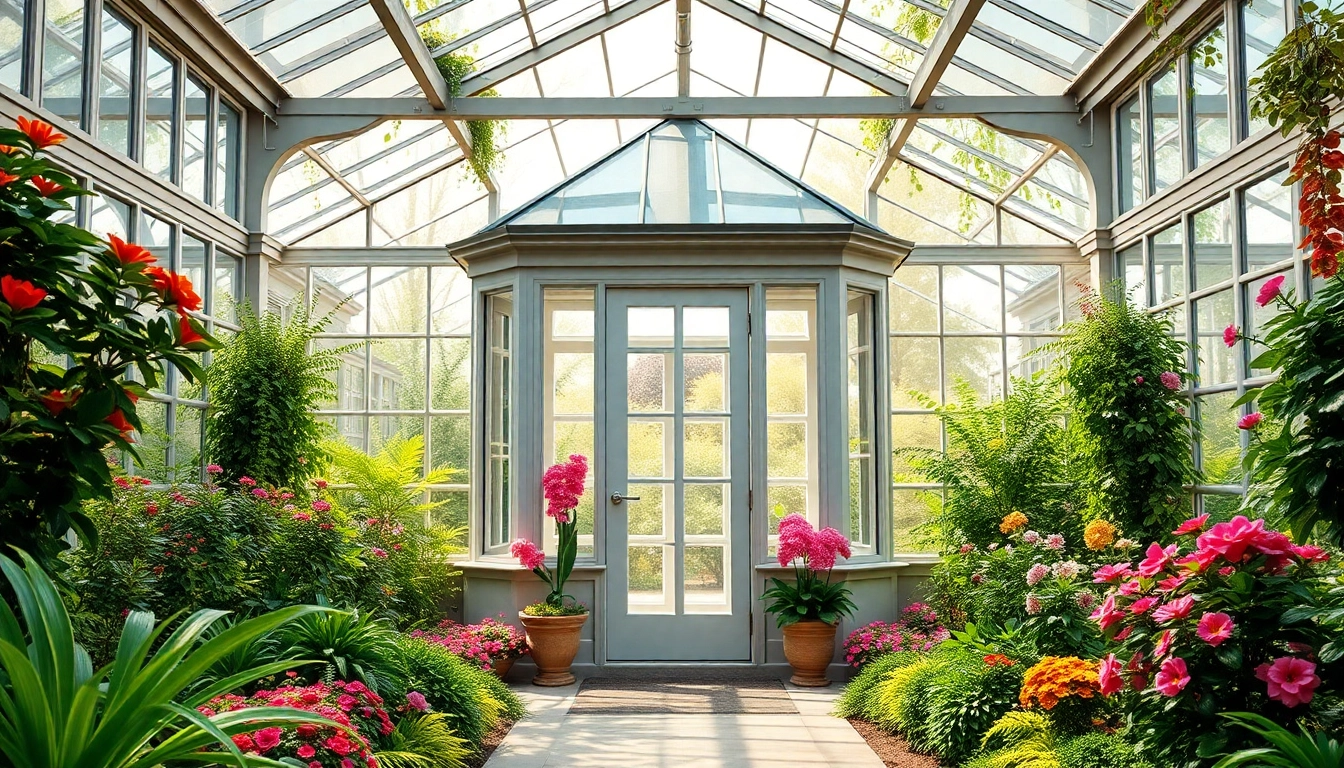
- Solariums: These sunrooms are often fully glass-walled, offering unobstructed views of the sky and nature. Solariums can feature a glass roof, enhancing light entry, and are perfect for growing plants or simply basking in natural sunlight.
- Garden Rooms: These are flexible spaces that can serve as sunrooms, but are designed to allow easy integration into garden landscapes. They can be utilized as studios, workshops, or relaxing spaces.
- Screened-in Porches: Offering ventilation while keeping bugs at bay, these porches provide a comfortable alternative to traditional outdoor spaces without fully enclosing them.
Key Features of Quality Sunrooms
A quality sunroom should have several key features that enhance both usability and aesthetic appeal:
- Durable Materials: High-quality frames made from aluminum, vinyl, wood, or a combination ensure longevity and resistance to weather.
- Energy Efficiency: Insulated glass and energy-efficient windows maintain comfortable temperatures and reduce energy costs.
- Versatile Design: A well-designed sunroom can blend seamlessly with the existing architecture of the home.
- Customizable Layouts: Options for layout, including the number of doors and windows, allow homeowners to create a functional space tailored to their needs.
Benefits of Owning a Sunroom
Investing in a sunroom comes with numerous advantages, enhancing your home and lifestyle:
- Increased Natural Light: Sunrooms provide abundant natural light, creating a warm and inviting atmosphere.
- Connection to Nature: A sunroom allows you to enjoy the beauty of your garden or outdoor landscape from indoors.
- Extended Living Space: It adds additional functional space to your home, which can be used for various purposes, including relaxation or entertainment.
- Increased Home Value: A well-constructed sunroom can boost your property value and appeal to potential buyers.
Deciding on the Right Sunroom for Sale
Choosing the ideal sunroom for sale requires careful consideration of several factors that match your lifestyle and home design.
Size and Space Considerations
Before selecting a sunroom, assess the available space on your property. Consider the following:
- Available Footprint: Measure the area where the sunroom will be placed to ensure it fits comfortably without overwhelming your backyard.
- Height Restrictions: Depending on local regulations, check for any restrictions on the height of your sunroom.
- Access Points: Ensure that entry to the sunroom is convenient and integrates well with existing doors or walkways.
Choosing the Right Style and Design
When selecting the style of your sunroom, consider how it complements your home’s architecture:
- Match the Aesthetics: Choose a design that aligns with the existing structure, whether modern, traditional, or rustic.
- Personal Taste: Decide on features like roof design, window types, and interior finishes that reflect your personal style.
- Functional Layout: Consider how you will use the space to guide the design and layout decisions.
Evaluating Costs and Budget
Prices for sunrooms vary based on size, materials, and additional features. Here are some cost considerations:
- Material Choices: Higher quality materials typically result in higher costs, but they also offer better insulation and longevity.
- Labor Costs: Hiring professionals for installation will add to the overall budget compared to DIY options.
- Permits and Regulations: Check local codes for any permits required, which may incur additional costs.
Installation Process for Your Sunroom
The installation process can vary significantly based on the sunroom type and whether you choose DIY or professional services. Here’s how to navigate it effectively:
Planning and Permits Required
Before installation, careful planning is crucial:
- Check Local Regulations: Research your local building codes to determine if you need permits for your sunroom project.
- Create a Detailed Plan: Consider the sunroom’s design, materials, and layout before proceeding with installation.
- Consult Professionals: If unsure, consult with experts who can guide you through the planning phase.
Step-by-Step Installation Guide
For those opting for a DIY installation, follow these steps:
- Prepare the Site: Clear the area where the sunroom will be built, ensuring a level foundation.
- Lay the Foundation: Depending on the sunroom design, pour concrete or build a wooden platform.
- Frame the Structure: Assemble the frame according to the provided instructions, ensuring secure connections.
- Install the Glass Panels: Carefully attach the glass panels, ensuring they are properly sealed.
- Add Finishing Touches: Install doors, electrical equipment, and any desired interior finishes.
Common Challenges During Installation
Awareness of potential challenges can ease the installation process:
- Weather Conditions: Unfavorable weather can obstruct outdoor work; plan for delays if needed.
- Material Sourcing: Ensure that all materials are on hand before starting, preventing interruptions.
- Structural Issues: Assess the existing infrastructure for issues that may require attention before adding a sunroom.
Maintenance Tips for Sunrooms
Proper maintenance is vital in ensuring the longevity and functionality of your sunroom.
Cleaning and Care for Glass Surfaces
Regular cleaning keeps glass panels transparent and inviting:
- Use Appropriate Cleaners: Opt for glass cleaners that don’t leave streaks or residue.
- Squeegee Use: A squeegee can help remove excess water without leaving streaks.
- Inspect Seals Regularly: Check seals around windows and doors for wear or damage.
Seasonal Maintenance Checks
Conduct twice-yearly maintenance to prepare your sunroom for seasonal changes:
- Inspect for Damage: Look for weather damage, leaks, or wear that needs repairs.
- Clean Gutters and Drains: Ensure all drainage systems are clear to prevent flooding around the structure.
- Service HVAC Systems: If your sunroom features heating or cooling, ensure regular service checks.
Upgrading Your Sunroom Features
Over time, consider making upgrades to enhance comfort or functionality:
- Adding Insulation: Improve year-round use by enhancing insulation in the framework.
- Smart Technology: Install smart thermostats or automated window shades for improved efficiency.
- New Furnishings: Refresh the space with new furniture or decor to keep the atmosphere inviting and vibrant.
Frequently Asked Questions About Sunrooms
What is the average cost of a sunroom for sale?
The price for a sunroom can range widely, with average costs falling between $15,000 and $40,000, depending on size, materials, and features.
Do I need a permit to build a sunroom?
Yes, permits are typically required. Check with your local municipality to ensure compliance with zoning and building codes.
How long does it take to install a sunroom?
Installation usually takes between a few days to several weeks, depending on factors like size, weather, and the complexity of the design.
What materials are best for a sunroom?
High-quality materials such as aluminum, vinyl, or wood with insulated glass are ideal for durability and energy efficiency.
Can I use a sunroom year-round?
A four-season sunroom, designed with proper insulation and climate control, allows for comfortable use throughout the year.