Understanding Underground Leak Detection
Underground leak detection is a critical service that homeowners and property managers must prioritize to prevent serious damage and costly repairs. When leaks go unnoticed, they can lead to significant structural issues, escalating utility bills, and even hazardous conditions due to gas leaks. This article will explore the intricacies of underground leak detection, covering its importance, common causes, and the advanced technologies involved in modern detection methods. By understanding these concepts, property owners can take proactive measures to protect their investments.
What is Underground Leak Detection?
Underground leak detection involves identifying and locating leaks in water, gas, or sewage pipes buried beneath the ground. This specialized field utilizes advanced techniques and tools to pinpoint the exact location of leaks without causing unnecessary damage to the surrounding area. Whether it’s a minor leak in a residential property or a major issue in a commercial setting, effective detection is vital to mitigate damage and restore the integrity of plumbing systems.
Common Causes of Underground Leaks
- Corrosion: Over time, pipes may corrode due to chemical reactions with soil or water, leading to leaks.
- Ground Movement: Shifting soil or seismic activities can place stress on pipes, resulting in cracks or breaks.
- Poor Installation: Incorrectly installed pipes may not withstand pressure, increasing the likelihood of leaks.
- Temperature Changes: Extreme temperature variations can cause materials to expand and contract, weakening pipe joints.
Importance of Early Detection
Detecting leaks early can save property owners a significant amount in repair costs and prevent further damage. By utilizing underground leak detection services, homeowners can uncover issues before they escalate, ensuring both safety and efficiency in their plumbing systems. Ignoring signs of leaks can lead to long-term consequences, including structural instability and mold growth.
Advanced Technologies for Effective Detection
With the evolution of technology, the methods used in underground leak detection have become more precise and non-invasive. The following are some of the most effective technologies employed in the industry today:
Using Thermal Imaging for Precision
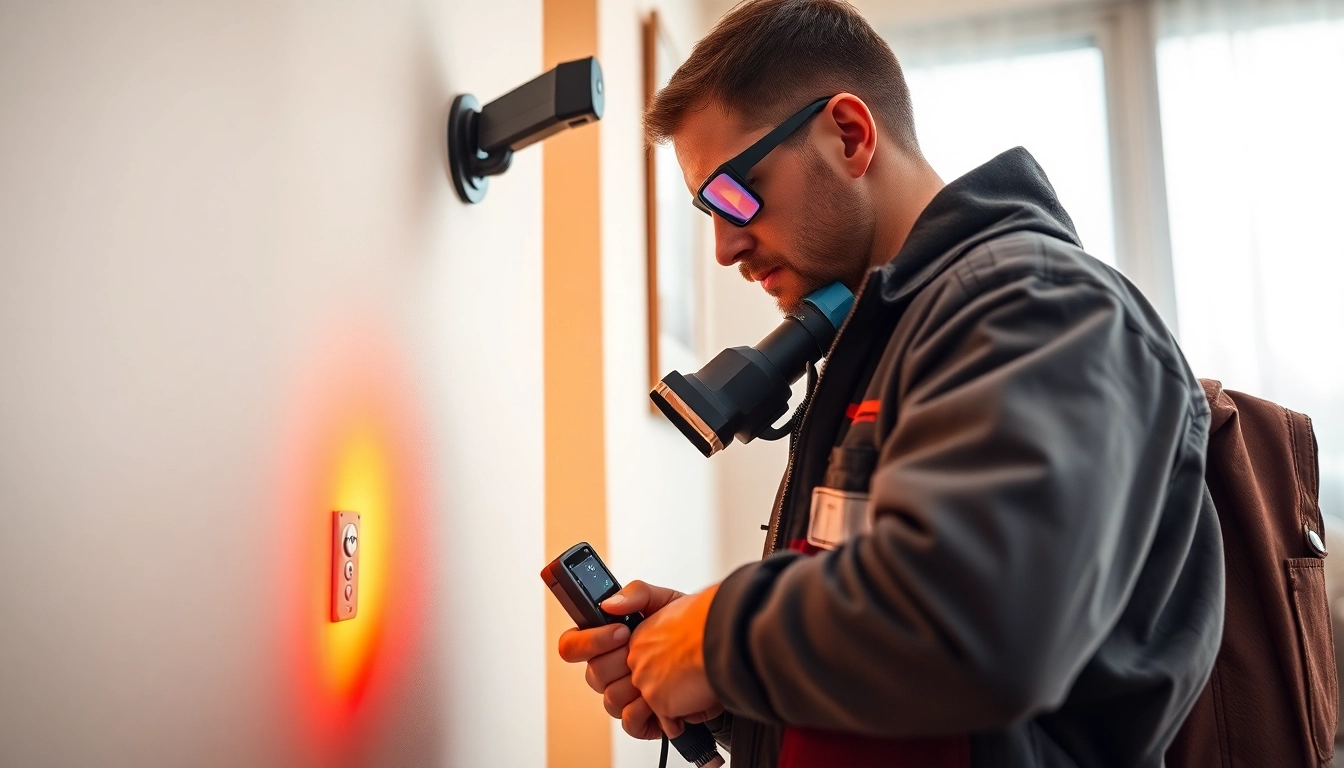
Thermal imaging cameras detect temperature variations in surfaces caused by leaking water. These cameras can identify areas where moisture has penetrated walls or floors, presenting a clear visual indication of potential leak sites. By accurately targeting these areas, technicians can minimize disruption and focus on the precise location of the leak.
Acoustic Listening Devices Explained
Acoustic listening devices amplify the sounds of water escaping from pipes, allowing technicians to hear leaks even when they are buried underground. This method is particularly effective for locating small leaks in high-pressure systems, as the sound produced by the escaping water can be detected with great sensitivity.
Tracer Gas Method: How it Works
This method involves introducing a safe, odorless gas into the pipe system. When there’s a leak, the gas escapes and rises to the surface, where it can be detected. This technique is especially useful for locating very small or inaccessible leaks, offering a reliable solution for challenging detection scenarios.
Benefits of Non-Invasive Leak Detection
Non-invasive leak detection methods provide numerous advantages, making them the preferred choice for many property owners looking to address leak issues.
Protecting Your Property from Damage
By employing non-invasive techniques, property owners can avoid unnecessary damage to floors, walls, and landscaping. This not only protects the aesthetic value of the property but also reduces repair costs associated with restoration work.
Cost-Effectiveness of Early Intervention
Detecting and repairing leaks early can save property owners thousands of dollars. The cost of repairs can increase exponentially if leaks are not addressed promptly, as secondary damage may occur over time, requiring more extensive remediation efforts.
Environmental Benefits of Leak Detection
Reducing leaks not only protects your property but also has positive environmental impacts. By preventing water waste, property owners contribute to conservation efforts, ensuring resources are used more efficiently.
Challenges in Underground Leak Detection
While modern technology has improved leak detection, several challenges still exist that can complicate the process.
Common Misconceptions about Leak Detection
Many people believe that detecting leaks is always straightforward; however, this is not the case. Some leaks are difficult to detect, especially if they are located deep underground or in areas with complex plumbing layouts.
Accessing Difficult Areas for Inspection
In many cases, leaks may occur in hard-to-reach areas, making detection more complicated. Technicians must often navigate landscaping, driveways, or other structures to access the pipes, necessitating expertise and specialized tools.
Dealing with Complex Plumbing Systems
Older homes, in particular, may have intricate plumbing systems that can make it challenging to identify leaks. A thorough understanding of the plumbing layout is essential for effective detection and repair.
Future Trends in Leak Detection Technology
The field of leak detection is evolving rapidly, with new technologies emerging that promise to enhance the accuracy and efficiency of services.
The Role of AI in Leak Detection Solutions
Artificial intelligence (AI) is expected to revolutionize leak detection by analyzing vast amounts of data quickly and accurately. AI algorithms can predict potential leak sites based on historical data, enabling technicians to focus their efforts where they are most likely to find issues.
Predicted Innovations for 2025 and Beyond
As technology advances, we can expect further innovations such as more sophisticated sensors that can detect even the smallest leaks and advancements in predictive maintenance that alert property owners to potential failures before they happen.
Regulatory Changes Affecting Leak Detection Services
Changes in regulations regarding plumbing and environmental protections may also influence the methods used in leak detection. Companies that stay ahead of these changes will be better positioned to provide compliant and effective services to their clients.