
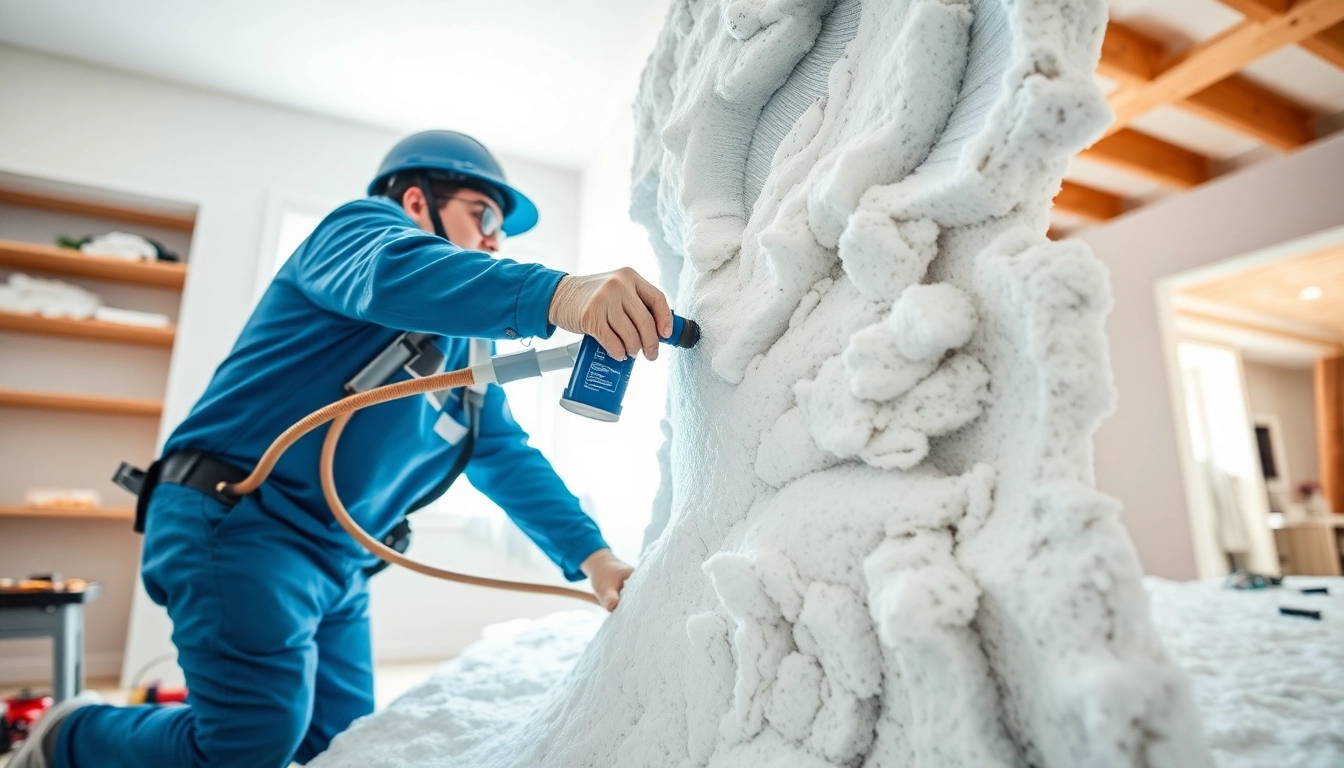
Understanding Spray Foam Removal Hampshire
Spray foam insulation is often heralded for its energy efficiency and ability to fill gaps and crevices. However, there are circumstances in which removal becomes necessary. Whether due to improper installation, degradation over time, or health concerns, understanding the nuances of spray foam removal Hampshire is essential for homeowners and contractors alike.
What is Spray Foam?
Spray foam is a type of insulation material that consists of a mixture of liquid components. Once sprayed, it expands and solidifies, creating an effective barrier against air and moisture. The two primary types include open-cell and closed-cell foam, each with distinct applications and properties. Open-cell foam is softer and allows moisture to penetrate, while closed-cell foam is denser and acts as a moisture barrier, offering higher R-values. Understanding these characteristics is vital when considering removal.
Common Reasons for Removal
There are several scenarios where spray foam insulation may need to be removed, including:
- Improper Installation: If the foam was incorrectly applied, it may not perform as intended, leading to air leaks or moisture build-up.
- Degradation: Over time, spray foam can break down due to UV exposure or other environmental factors, compromising insulation integrity.
- Health Concerns: Some individuals may experience allergic reactions or respiratory issues related to the chemicals used in spray foam.
- Property Renovation: Homeowners may choose to remove spray foam when making significant renovations or upgrades to insulation types.
Health and Safety Considerations
Removing spray foam requires several health and safety precautions. The process may release harmful chemicals into the air, necessitating adequate ventilation and personal protective equipment (PPE). Hazards such as skin irritation and respiratory issues can arise if appropriate measures are not taken. Understanding the risks involved and addressing them proactively is essential for a safe removal process.
Preparation for Spray Foam Removal
Assessing the Area
Before initiating the removal process, a thorough assessment of the area is crucial. Identifying the type and extent of spray foam present, as well as any potential complications such as wiring or plumbing, will inform your strategy. Waterproofing and insulative capability must be considered, as removal could expose the underlying structures to moisture and drafts.
Necessary Tools and Equipment
Having the right tools on hand can streamline the removal process. Essential tools may include:
- Saw or knives for cutting through foam
- Scrapers to remove leftover residue
- Gloves, goggles, and masks for protection
- Trash bags for disposal of removed materials
Safety Precautions
Safety must be prioritized throughout the removal process. Aside from using PPE, ensure the workspace is well-ventilated, and take care to contain dust and debris to reduced inhalation risks. It’s advisable to inform others in the vicinity about the removal process to maintain a safe environment.
Step-by-Step Process of Spray Foam Removal
Initial Assessment and Planning
The initial phase should involve establishing a detailed plan. Assess the severity of the foam’s adhesion to the underlying materials and decide whether you will tackle the removal as a DIY project or hire professionals. Creating a timeline and a list of required materials will significantly enhance efficiency.
Execution Techniques
When ready to commence, the most effective technique for spray foam removal involves:
- Cutting: Use a sharp utility knife to slice through larger sections of foam. For thicker layers, a saw may be necessary.
- Scraping: Once cut, employ scrapers to lift and remove foam from the surface.
- Vacuuming: After scraping, use a shop vacuum to eliminate residual dust and particles, ensuring a clean workspace.
Post-Removal Cleanup
Upon completion of the removal process, it’s imperative to conduct a thorough cleanup. Dispose of all waste material responsibly, ensuring that all foam and dust are removed from the site. Inspect the underlying surfaces for any signs of damage or additional required repairs before proceeding with insulation installation or other renovations.
Best Practices in Spray Foam Removal Hampshire
Selecting Professional Services
Hiring professionals for spray foam removal may be the best option for many homeowners. They possess the expertise, equipment, and safety measures necessary to navigate the risks involved. Ensure that they hold relevant certifications and have a good reputation within your local community. Evaluating prior work and customer testimonials can provide valuable insights.
DIY vs. Professional Removal
Choosing between DIY removal and hiring professionals often boils down to the complexity of the job and personal comfort levels. Simple removals may be manageable for those with a hands-on approach, while extensive removals involving multiple layers or hazardous conditions might necessitate professional intervention. Weighing costs and time against expertise is vital in making this decision.
Cost Considerations
The costs associated with spray foam removal can vary significantly based on numerous factors, including the size of the area, the type of foam, and the method of removal employed. DIY removal can save labor costs, yet professional services might prove more efficient in the long run. Always obtain multiple quotes for comparison and never compromise on safety for cost-saving measures.
FAQs about Spray Foam Removal Hampshire
How long does spray foam removal take?
The duration varies based on the area size and foam type but generally takes a few hours to a couple of days, depending on other factors like complexity and available help.
Is spray foam removal messy?
Yes, spray foam removal can be messy. Expect debris, dust, and foam residues that must be cleaned up post-removal. Proper containment measures help minimize mess.
What should I do after removal?
After removal, inspect the exposed area for damage, clean thoroughly, and consider re-insulating or repairing any affected structures to restore energy efficiency.
Are there health risks associated with spray foam?
Health risks can arise during removal due to chemical exposure. Proper PPE and ventilation are essential to mitigate potential allergic reactions or respiratory issues.
Can I remove spray foam myself?
Yes, DIY removal is possible for smaller projects. However, if the foam has adhered strongly or contains hazardous materials, consulting professionals is recommended for safety.